Robot Welding advice for Australian workshops
This robot-welding.com.au site is focused on manufacturers evaluating robotic arc welding for productivity and repeatability. The content here is written around robot welding integration with power sources, fixtures, and production workflows, so the advice, page titles, and internal links are deliberately different from the other TME Systems welding domains.
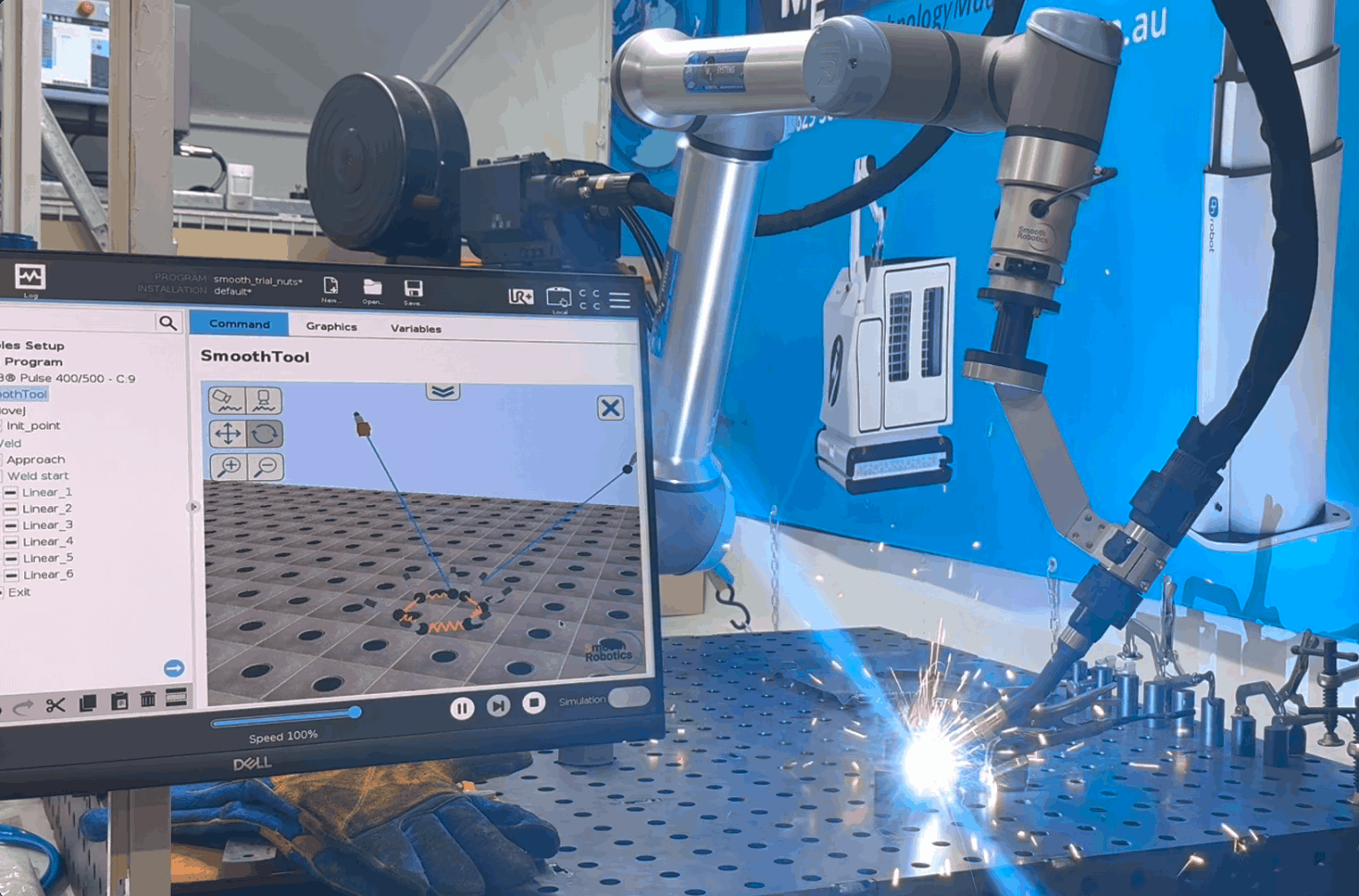
Robot welding systems focus
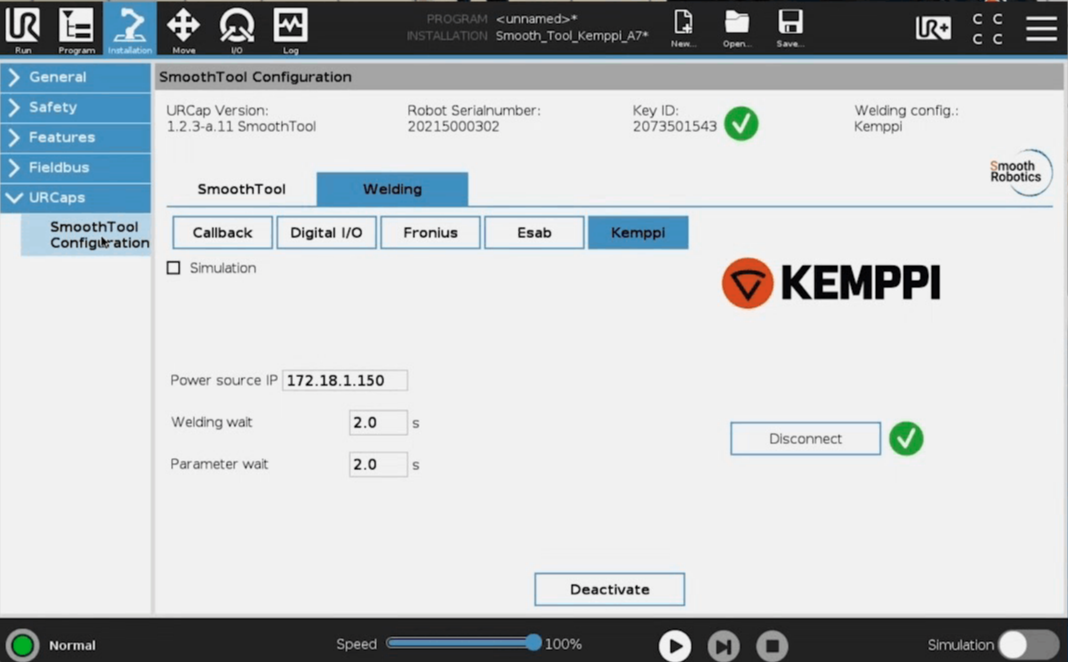
This page supports the robot-welding.com.au theme: integrated robotic welding systems, fixture strategy, welding power-source connection, production workflow, and repeatable arc welding quality.
Repeatability starts before the arc
Fixtures, part tolerance, joint preparation, consumables, and torch access all affect whether a robotic weld can repeat successfully. Good automation planning starts by reviewing those basics.
Control heat and movement
Robotic welding can help maintain a steady path and repeatable parameters, but the process still needs the right travel speed, torch angle, arc settings, and quality checks for the material and joint type.
Measure success in production terms
A useful welding cell should reduce avoidable rework, make output more predictable, and help skilled welders spend less time on repetitive motion and more time on higher-value process decisions.
Talk to TME Systems
Tell us about your parts, welding process, production volumes, and team goals. We can help you decide whether a collaborative welding system is a practical fit.
Get Started